Tekbot Robotics
Software, perception and a team working with physical systems.
- My contribution
- IT team lead & AI developer
- Outcome & status
- Quarter-finalists
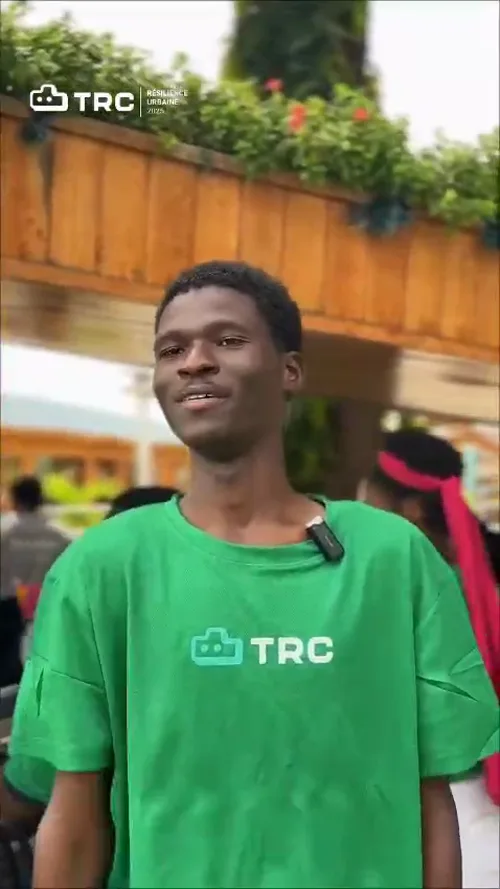 00:43
Software has to meet the physical world.
The TEKBOT Robotics Challenge 2025 brought teams together to develop and test robotic systems. Robotics adds constraints that software-only projects do not have: perception, integration and behaviour have to work with real equipment and a changing environment.
The team reached the quarter-finals. That result belongs to the team, rather than describing a solo build.
From perception to integration and tests.
The documented areas of work include computer vision, data preparation, object classification, software development, robot-system testing and involvement with ROS.
The diagram describes a general robotics chain—perception, interpretation, integration and validation. It is a way to explain the technical context, not proof of a particular robot mission or a full autonomous workflow.
- PerceiveData preparation
- InterpretVision & classification
- ConnectSoftware integration, ROS
- VerifyTesting & validation
Leading IT work while contributing technically.
I was IT team lead and an AI developer, with responsibilities around ROS. The role combined technical contribution with coordination across the IT workstream.
Preparation of data and object classification only become useful when connected to the other software and hardware components, so integration and testing were important parts of the work described.
The team reached the quarter-finals.
The team advanced to the quarter-finals of the TEKBOT Robotics Challenge 2025. This is the competition outcome; it is not a measurement of robot reliability or vision accuracy.
The interview gives personal context about the challenge. It is an interview, not a technical demonstration of the robot.
Describe the documented contribution precisely.
The available material does not establish the exact robot, mission completed at the event or the precise software modules delivered by me. References to a Dofbot, ROSmaster, conveyor and waste-sorting context are not treated as proof that each was part of the competition implementation.
For that reason, this case study stays with my documented role, work areas and the team’s quarter-final result. No robot capability or performance figure is inferred from the interview.
At a robotics challenge, software has to connect with a team and a physical system.
ABOUBAKAR ADRAMANE